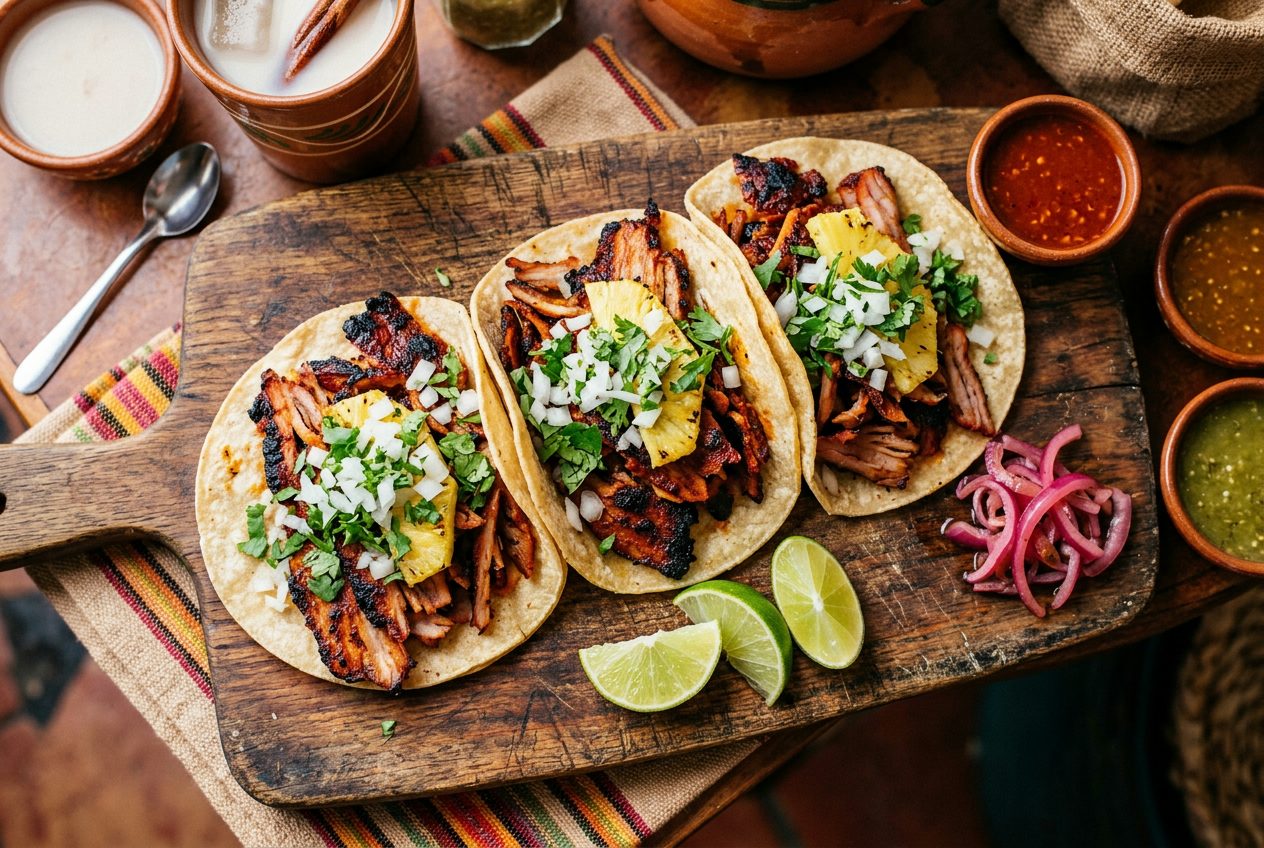
 Tacos
TacosMexico City45 minMedium
Tacos al Pastor
Marinated pork slow-cooked on a vertical spit with pineapple and achiote — the ultimate street taco.
Browse our growing archive of authentic, tested, and uniquely curated Mexican recipes — each one honoring the regional traditions and bold flavors that make this cuisine extraordinary.
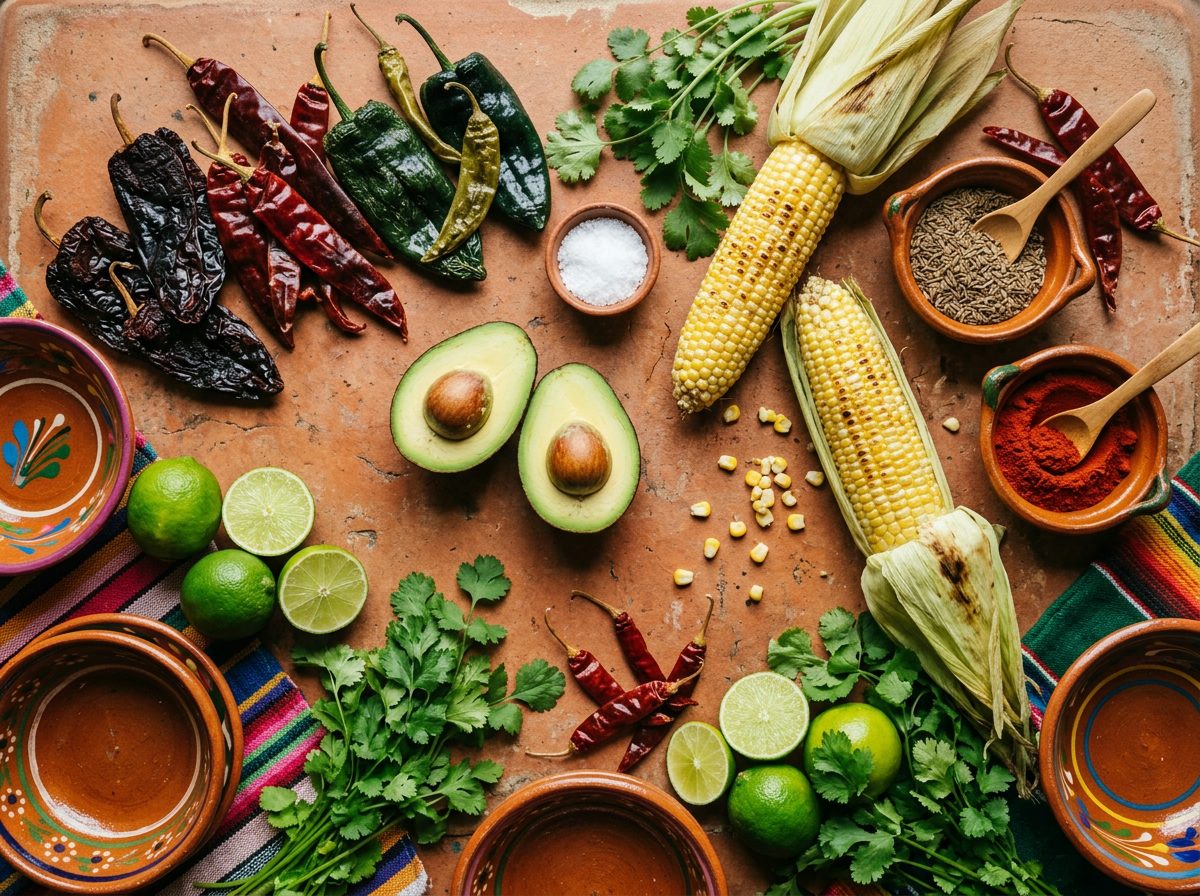
Full Archive
Browse our complete collection of authentic Mexican recipes. Filter by category, region, or difficulty to find exactly what you're craving.
TacosMarinated pork slow-cooked on a vertical spit with pineapple and achiote — the ultimate street taco.
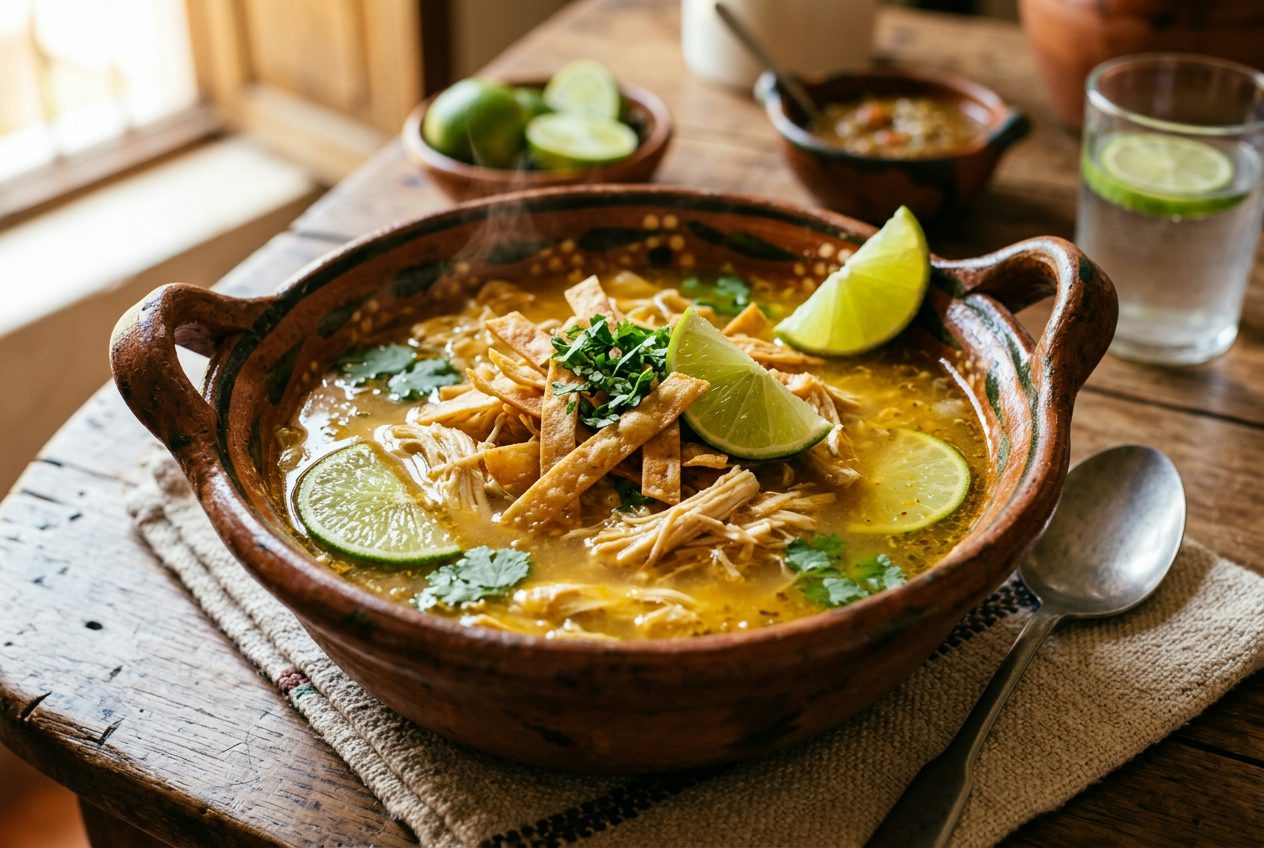 Soups
SoupsA bright, citrusy chicken soup from the Yucatán, perfumed with lime and layered with crunchy tortilla strips.
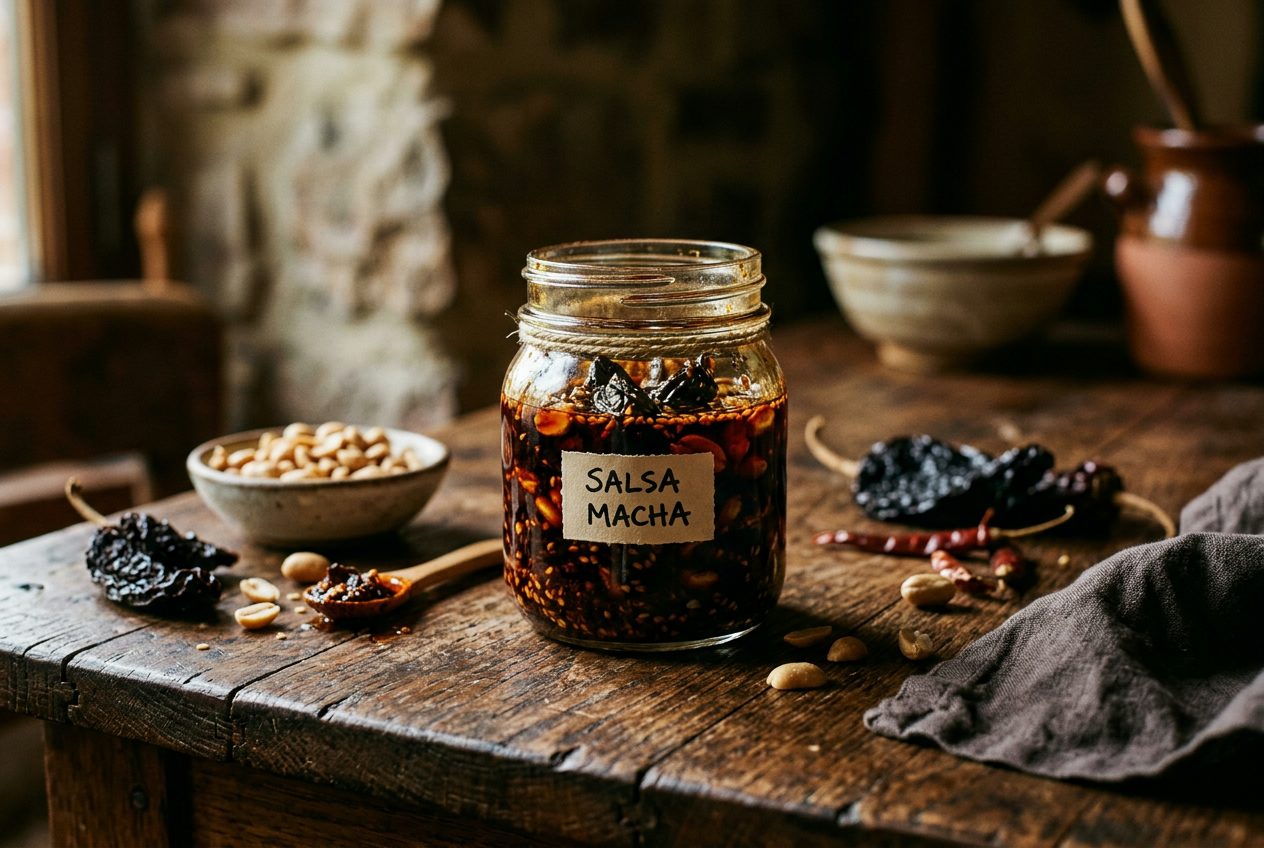 Salsas
A bold, oil-based salsa packed with dried chiles, garlic, and peanuts — essential at any Veracruz table.
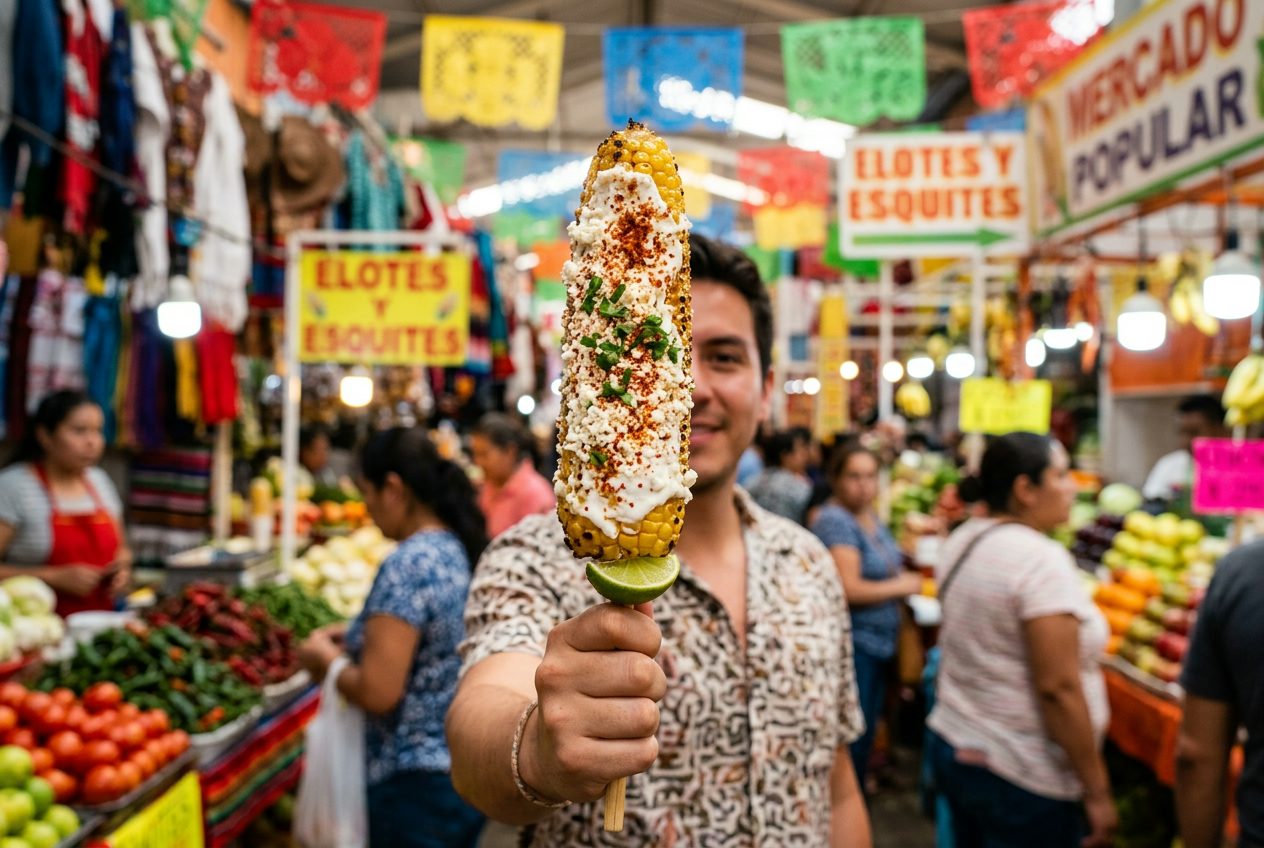 Street Food
Grilled corn on the cob slathered with crema, cotija cheese, chili powder, and a squeeze of lime.
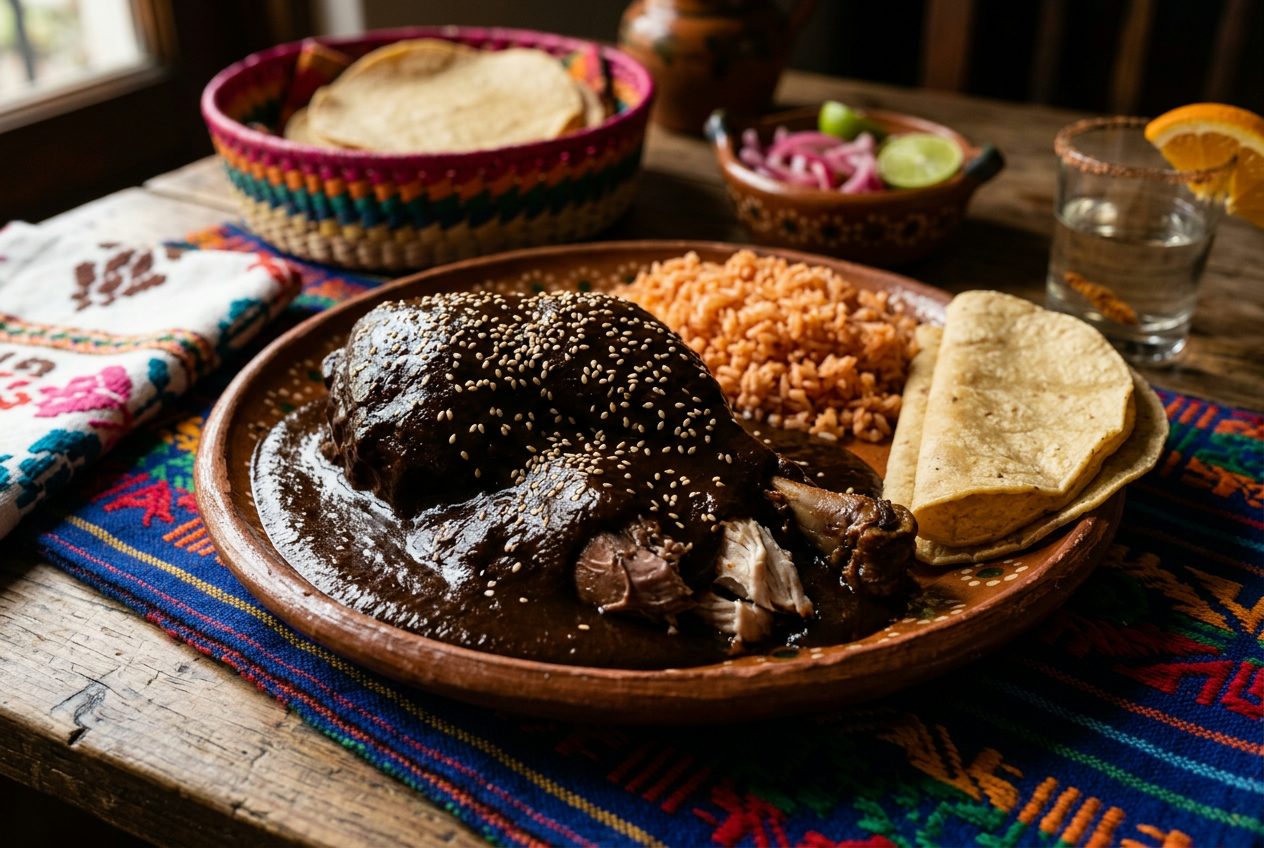 Festive
The crown jewel of Oaxacan cuisine — a deeply complex sauce of 30+ ingredients served over turkey for celebrations.
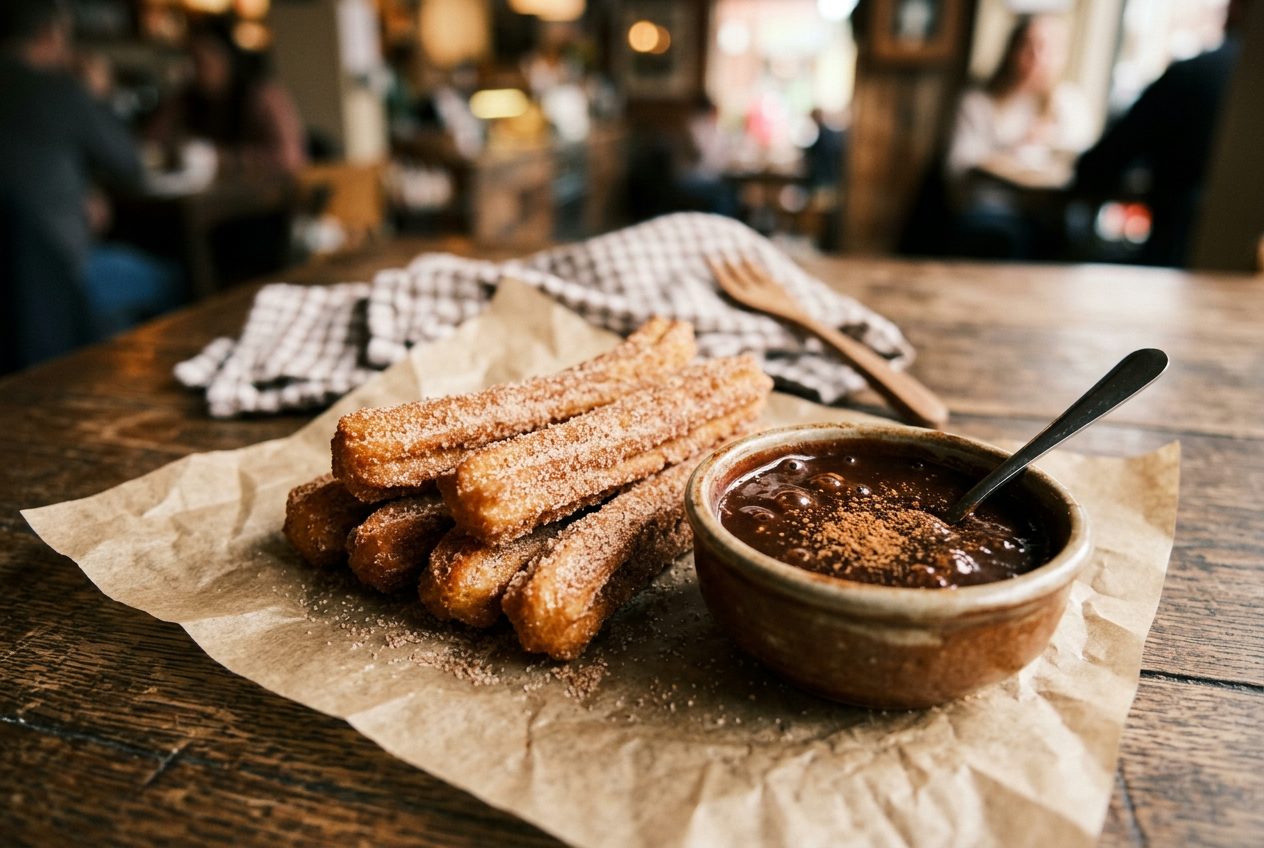 Desserts
Crispy fried dough sticks rolled in cinnamon sugar, served with a rich, thick Mexican hot chocolate dip.
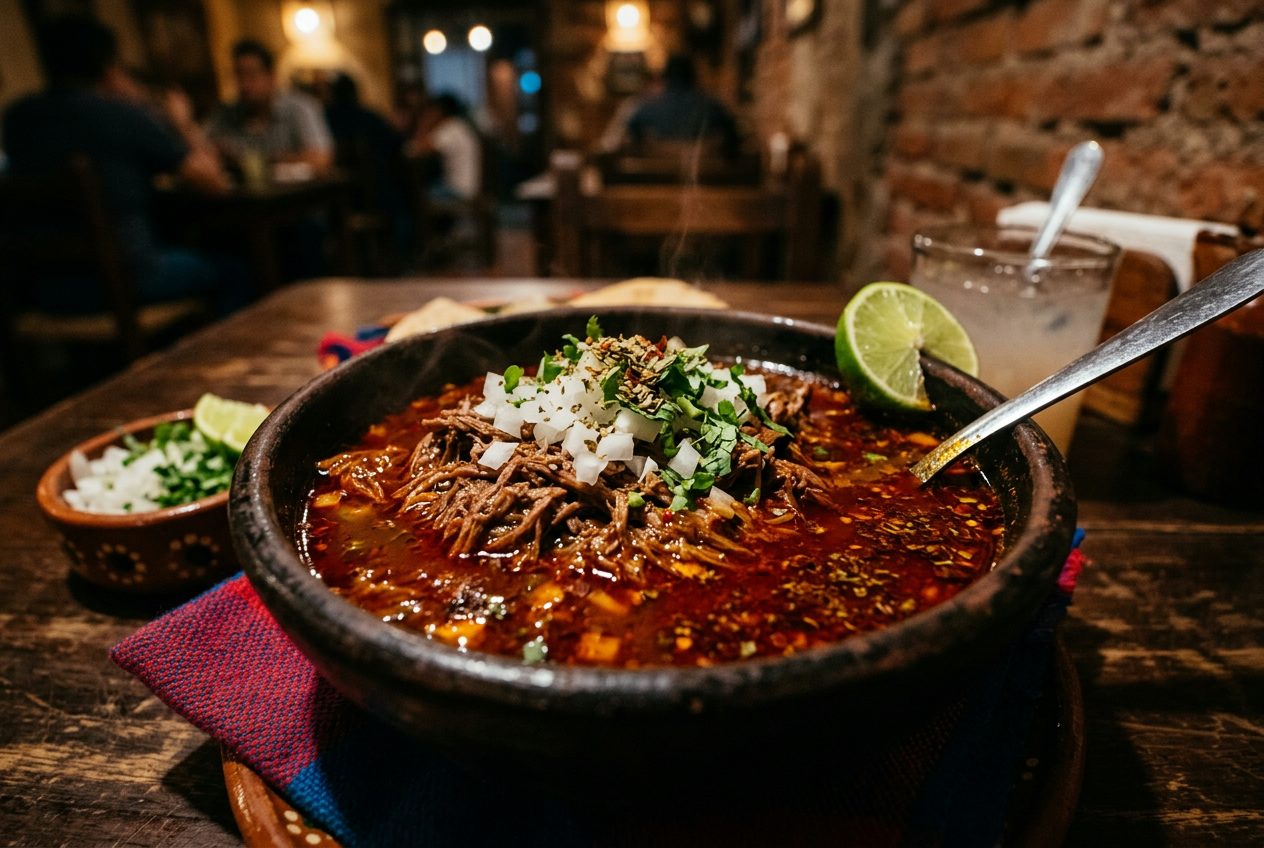 Soups
SoupsSlow-braised beef in a fiery consommé of guajillo and ancho chiles — Jalisco's most celebrated comfort dish.
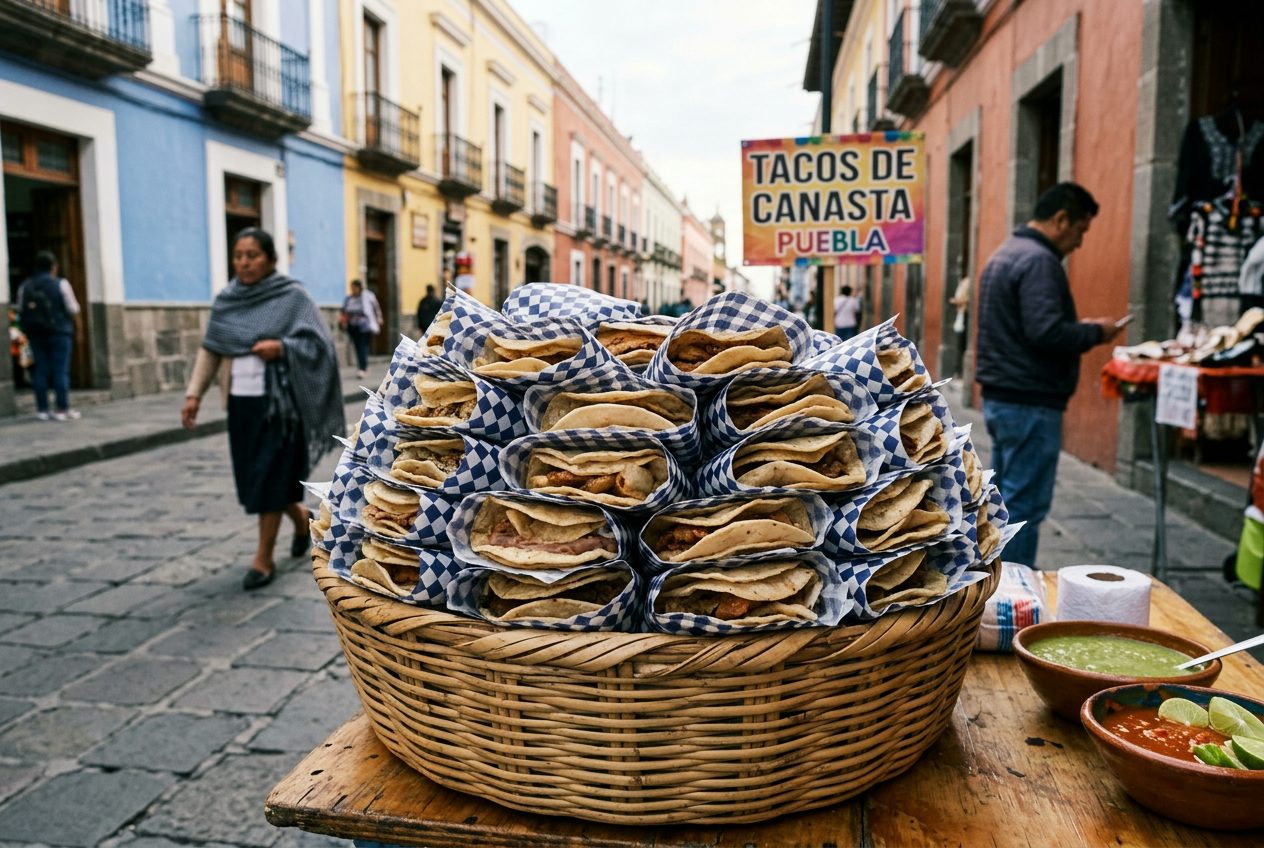 Tacos
TacosSoft, steam-bathed basket tacos filled with refried beans, chicharrón, and potato — Puebla's beloved morning staple.
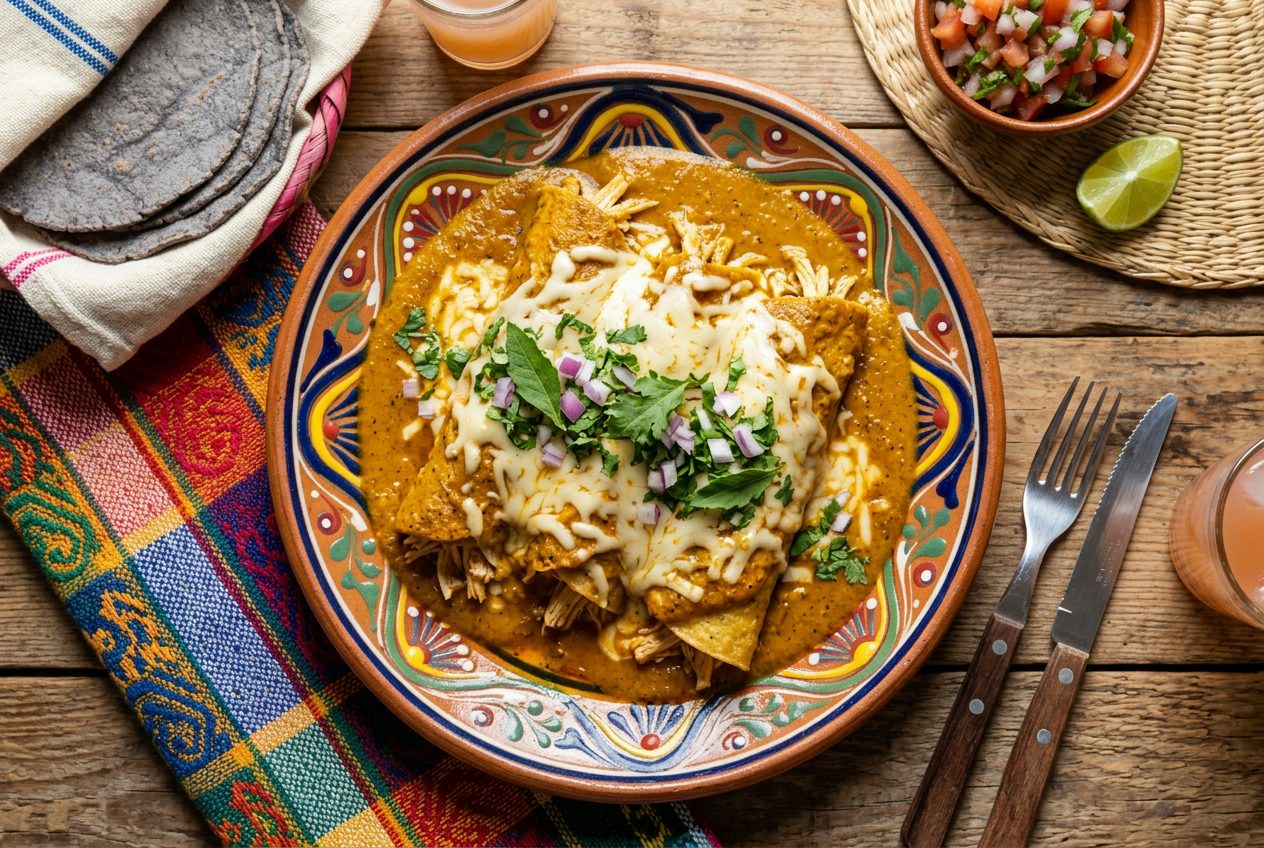 Festive
Corn tortillas dipped in rich mole amarillo, filled with chicken and topped with crumbled Oaxacan cheese.
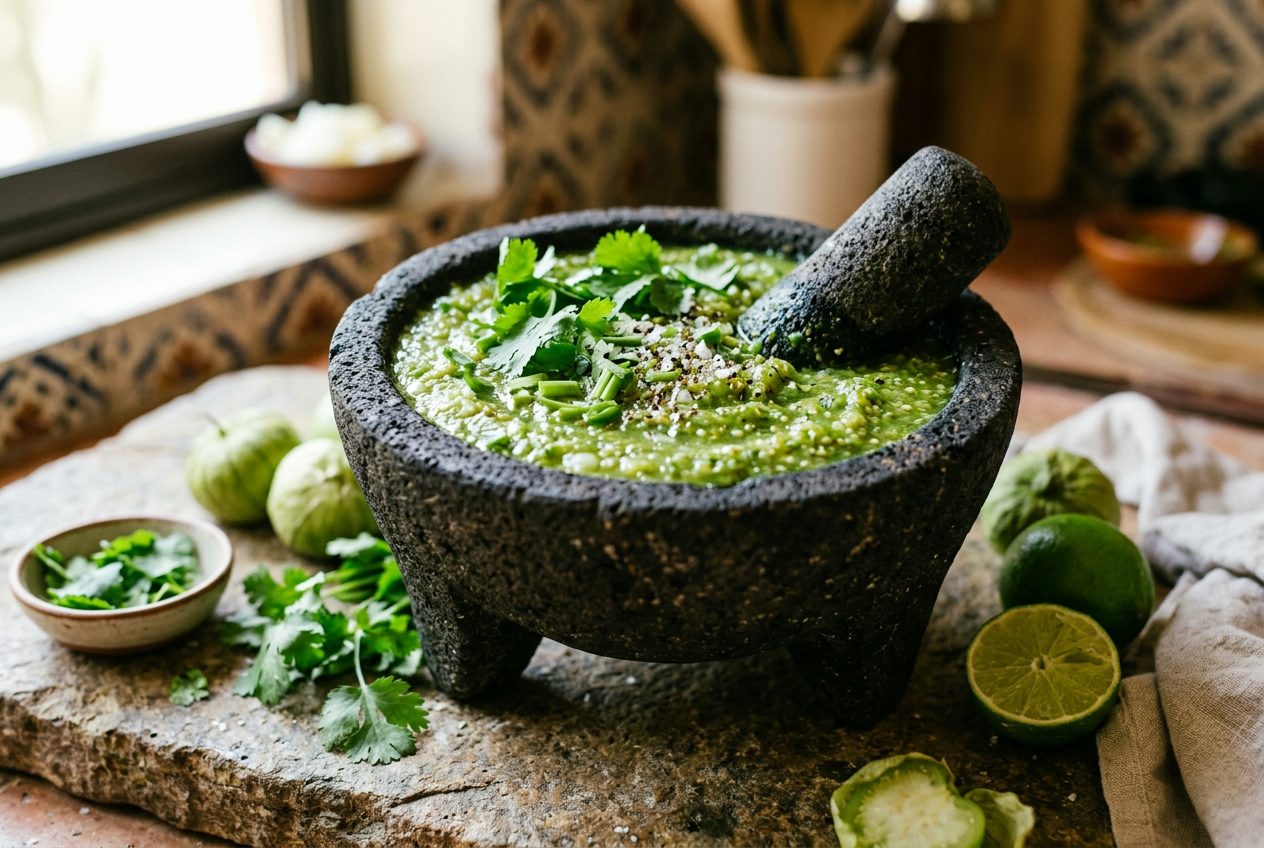 Salsas
Fresh tomatillos, jalapeño, garlic, and cilantro blended raw for the crispest, brightest green salsa of all.
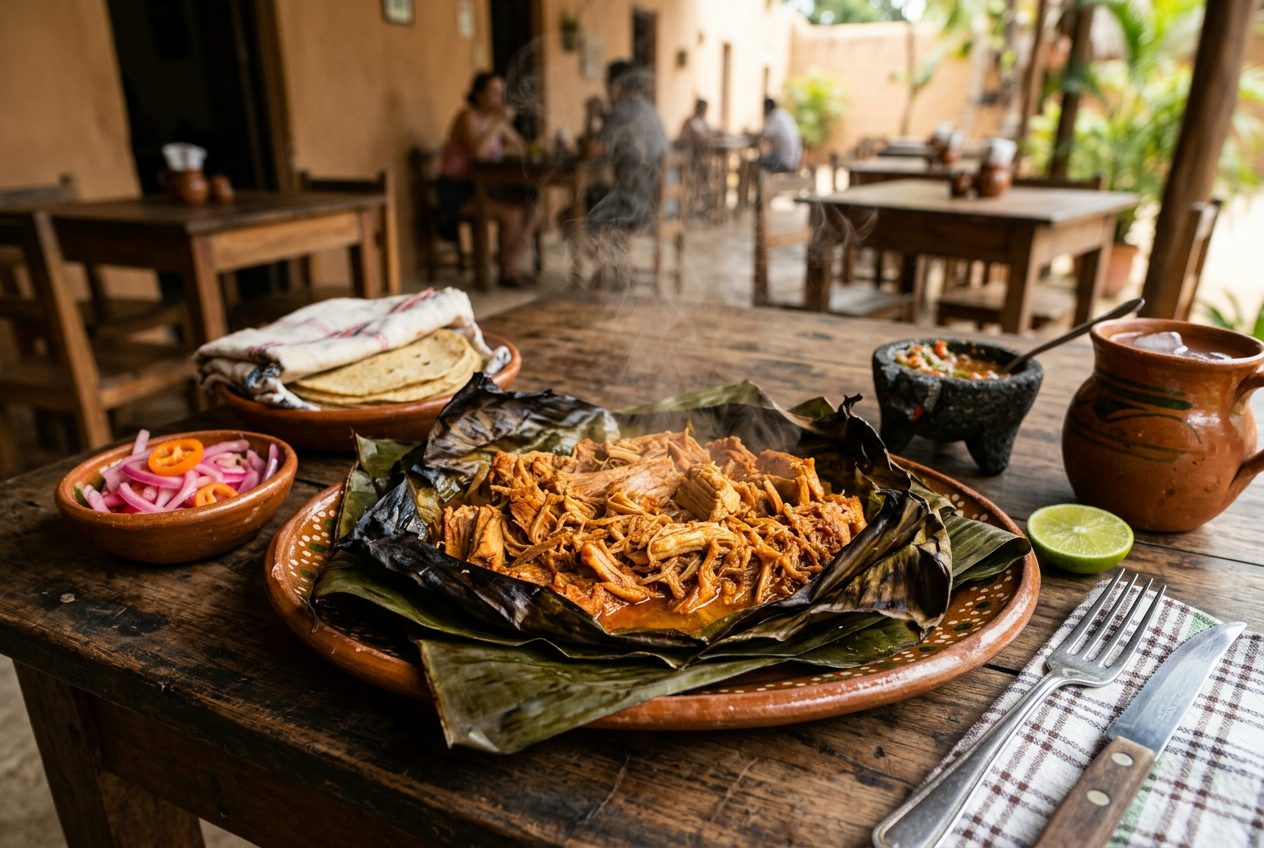 Festive
Achiote-marinated pork wrapped in banana leaves and slow-pit-roasted — Yucatán's most iconic ceremonial dish.
 Soups
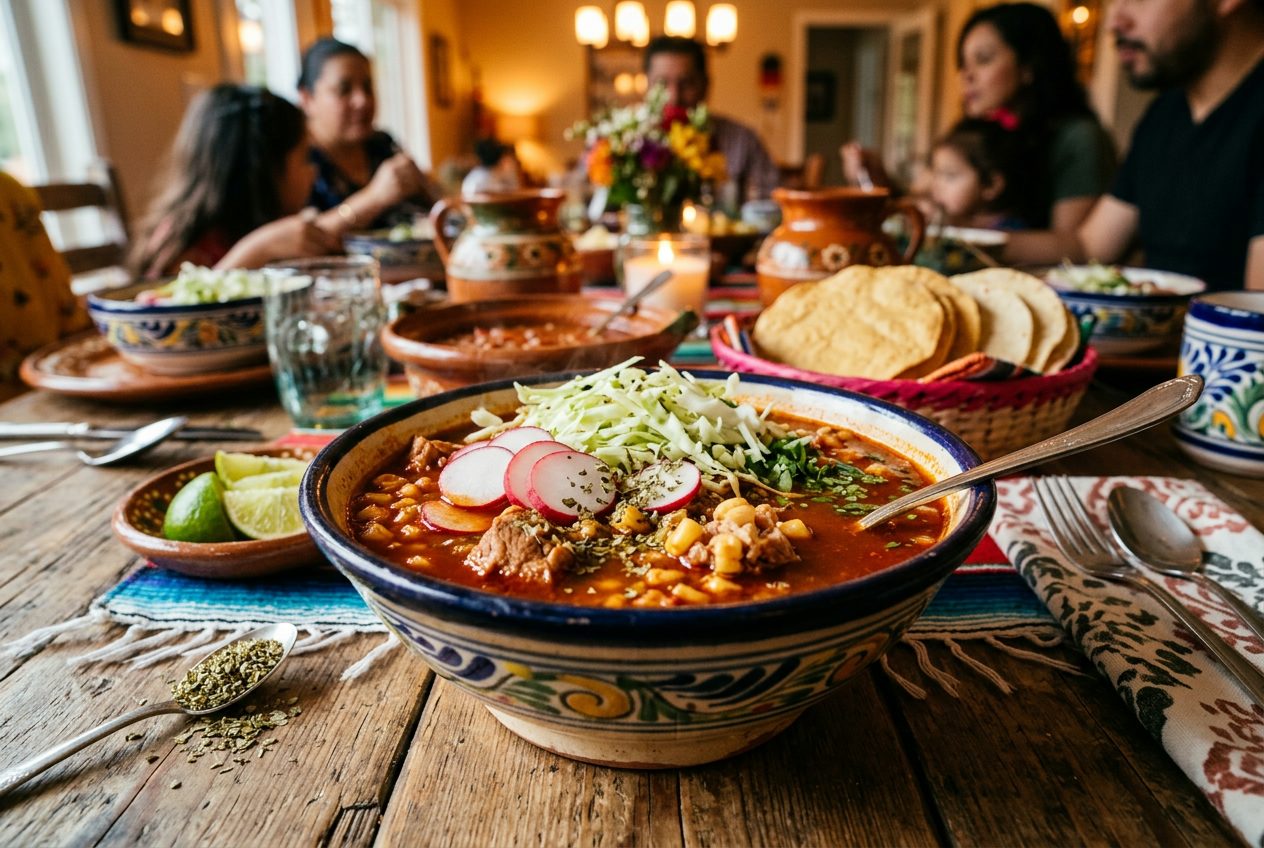
SoupsHearty hominy and pork simmered in a deep red guajillo broth, garnished with shredded cabbage and radish.
Showing 1–12 of 24 recipes
A recipe that demands patience, rewards obsession, and connects you to 3,000 years of Mayan cooking tradition. This is not fast food. This is ceremony.
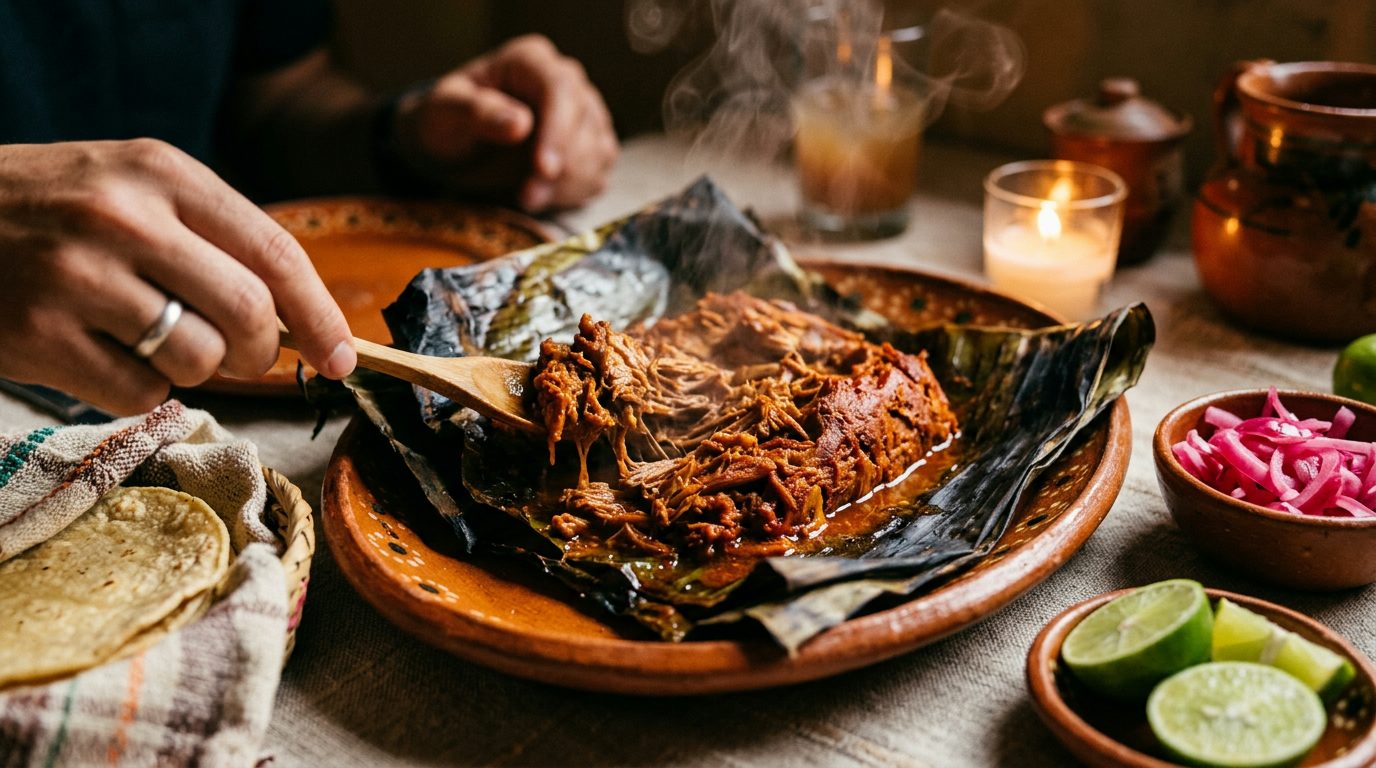
Cochinita pibil resting in its banana leaf parcel, basted in achiote marinade and slow-cooked for over four hours.
Long before the Spanish arrived with their pigs, the Maya of the Yucatán Peninsula had already perfected the art of underground pit cooking. They called it pib — a sacred method reserved for ceremonial occasions, where food was wrapped in leaves and buried alongside hot coals and stones, left to steam and smoke for hours beneath the earth. The tradition survives intact to this day, most vividly in cochinita pibil: the iconic slow-cooked pork that has become the Yucatán's most beloved culinary export.
The word cochinita means "small pig" — a nod to the whole suckling pig traditionally buried for major festivals. The modern home version uses bone-in pork shoulder, which carries the necessary fat and collagen for that signature meltingly tender texture. But what truly defines this dish is the marinade: a deep brick-red paste built from achiote (annatto), dried Yucatecan chiles, bitter orange, and a careful hand of spice.
Achiote — the seeds of the Bixa orellana tree — gives cochinita pibil its extraordinary rust-red hue and its subtly earthy, peppery flavor. Pre-Columbian Maya used it as body paint, currency, and cooking dye. Today it remains the culinary soul of Yucatecan cooking, appearing in nearly every savory preparation of the region. When you grind it fresh and bloom it into your marinade, you're participating in a lineage of flavor that stretches back millennia.
The banana leaves in which the pork is wrapped are not merely decorative. As the pork cooks, the leaves release a grassy, faintly smoky fragrance that perfumes the meat subtly from the outside in. They also act as a seal, trapping every drop of precious juice inside the parcel. When you open the packet at the table, that billowing cloud of fragrant steam is your reward for patience — and the signal that something genuinely special is about to be eaten.
In the Yucatán, cochinita pibil is eaten at breakfast — piled into fresh corn tortillas with a heap of hot pickled red onions, a spoonful of fiery habanero salsa, and a squeeze of lime. At murat-dogany, we believe strongly in eating it exactly that way, regardless of the hour.
Bitter orange (naranja agria) is essential for authentic flavor. If unavailable, combine 60 ml fresh lime juice with 60 ml fresh-squeezed orange juice — never bottled.
Banana leaves are sold frozen at Latin and Asian grocery stores. Thaw overnight in the fridge. No banana leaves? Use parchment-lined foil, though you'll lose the subtle grassy note.
Pib cooking dates back over 3,000 years in Mayan culture.
Achiote was used as ritual body paint by pre-Columbian Maya.
Cochinita pibil is traditionally eaten at breakfast throughout the Yucatán.
Mérida, the state capital, is considered the epicenter of pibil cuisine.
The dish features prominently in the Pixar film Coco — cementing its global recognition.
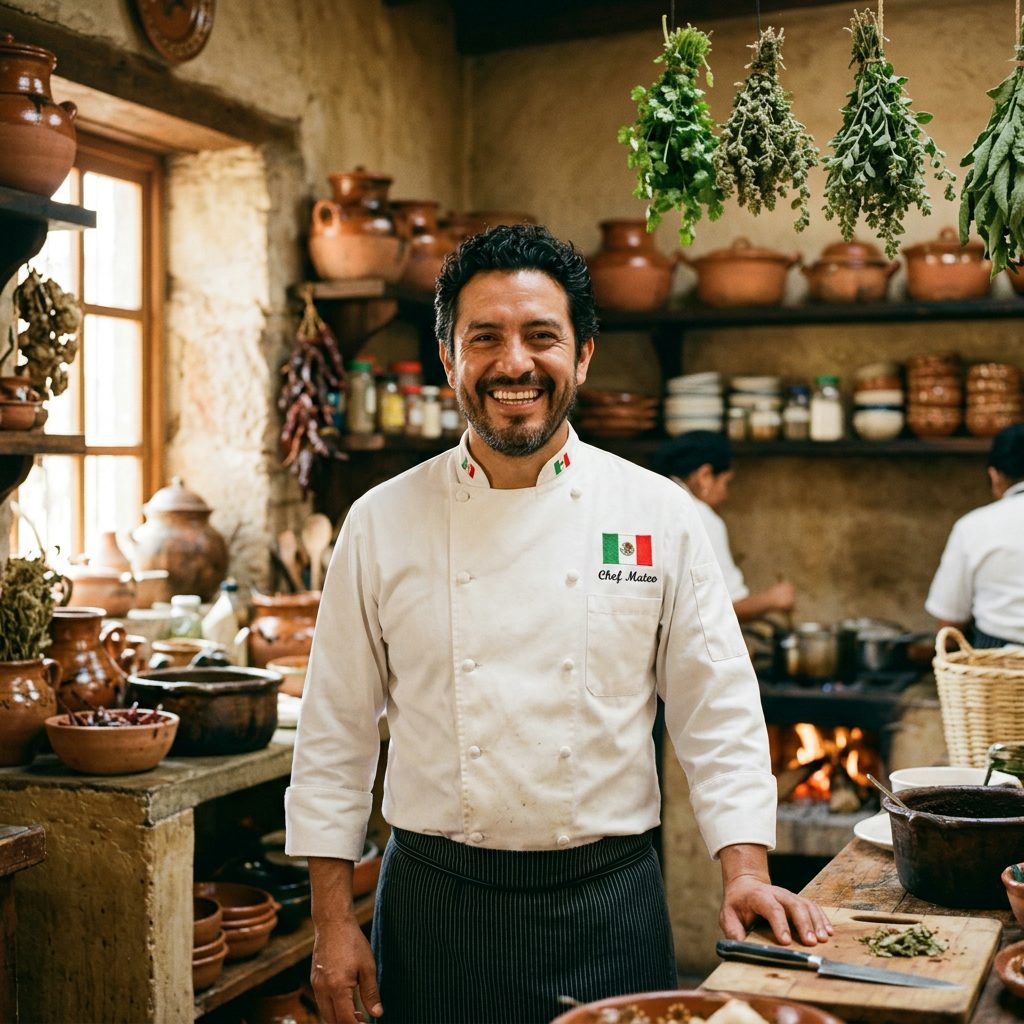
murat-dogany
Spent three weeks in the Yucatán learning this recipe from a family in Mérida who have been making cochinita pibil for four generations. This is their method.
Explore More
Dozens of regional Mexican recipes, each with the same depth and cultural context.
Authentic Flavors of Mexico
A culinary journey through Mexico's most vibrant regions, one recipe at a time. From fiery salsas to slow-simmered moles, murat-dogany brings the soul of Mexican cooking straight to your kitchen.
© 2026 murat-dogany. All rights reserved.
Crafted with passion for authentic Mexican cuisine.